Why most luxury hotel films look the same
Most hotel films are shot to a checklist, so they end up interchangeable. The ones that convert do the opposite: they choose a point of view and commit to it.
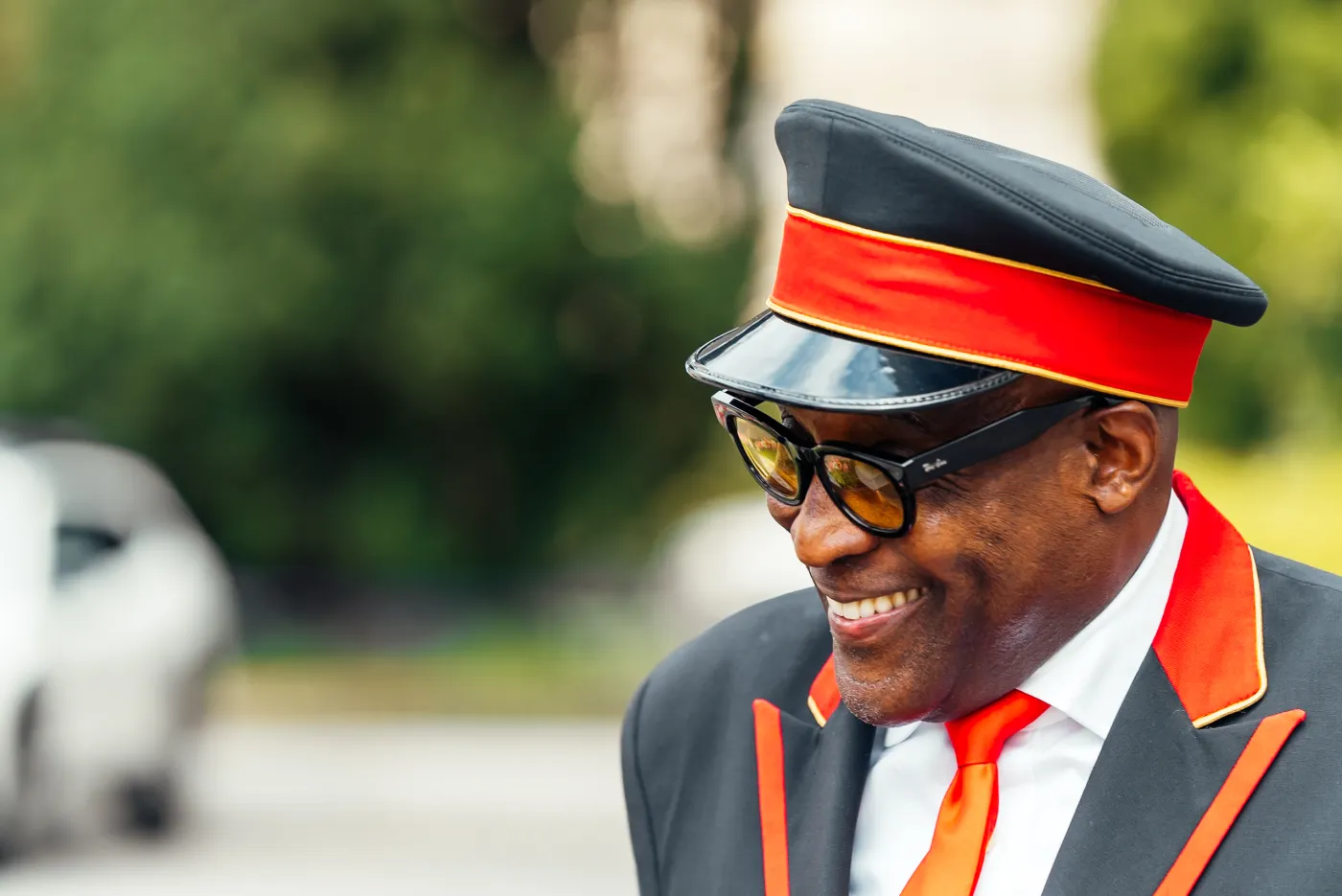
Watch enough luxury hotel films and they blur together. The lobby, the suite, the pool at golden hour, a couple laughing over breakfast, a drone lifting off the roof. Beautifully shot, competently graded, and completely interchangeable. Swap the logo and no one would notice.
That is not a talent problem. It is a brief problem.
The checklist problem
The default brief for a hotel film is a tour. Show the rooms, the restaurant, the spa, the view, in order, so nothing gets left out. It feels safe because it is complete, and it reassures the owner that their investment is on screen.
The trouble is that completeness and persuasion are different jobs. A film that shows everything says nothing. The viewer sees a list of amenities they could have read on the website, and feels none of the thing that actually makes someone book: the sense that this place is different from the one next door.
A point of view is a decision, not a budget line
The films that work choose one thing and commit to it. A single arrival. One service, shot properly. The light at one hour of the day. They leave things out on purpose, because leaving things out is how you make the things you keep mean something.
That choice is not made in the edit and it is not bought with a bigger crew. It is made before anyone arrives on site, in a conversation about the one thing this property does that no other one can. Get that right and a modest shoot outperforms an expensive one. Get it wrong and no amount of equipment saves it.
Shoot for the feeling, not the inventory
A guest is not buying square metres. They are buying how they imagine they will feel walking in. So that is what the film has to carry.
In practice it means filming around real service rather than staging a set. The best moments in a hotel happen where the camera is usually not pointed: the pause before the doors open, the way a doorman is greeted by name, the room being reset in the quiet of the afternoon. Those are harder to capture and worth far more than another slow push across an empty suite, because they are the parts a competitor cannot copy.
Consistency is what turns films into a brand
For a group, the second problem is coherence. A film for the flagship and a film for the newest opening should feel like the same house, or the brand pulls apart one property at a time.
That comes from holding a visual language and refusing to let it drift: one director, one grade, one editorial rhythm, applied every time. It is exactly what a series is for. We held it across the Lartisien series, ninety films over two years, without the look wandering, and it is the same discipline behind a single portrait like the Fairmont San Francisco Legacy Series.
What to ask for
If you are briefing a hotel film, the most useful thing you can do is resist the checklist. Before the shoot, answer one question: what is the single true thing this property does that no other can? Then let the film be about that, and trust that leaving the rest out is what makes it land.
That is the whole difference between the hundredth hotel film and the one people remember.
The service behind this
Hotel brand films